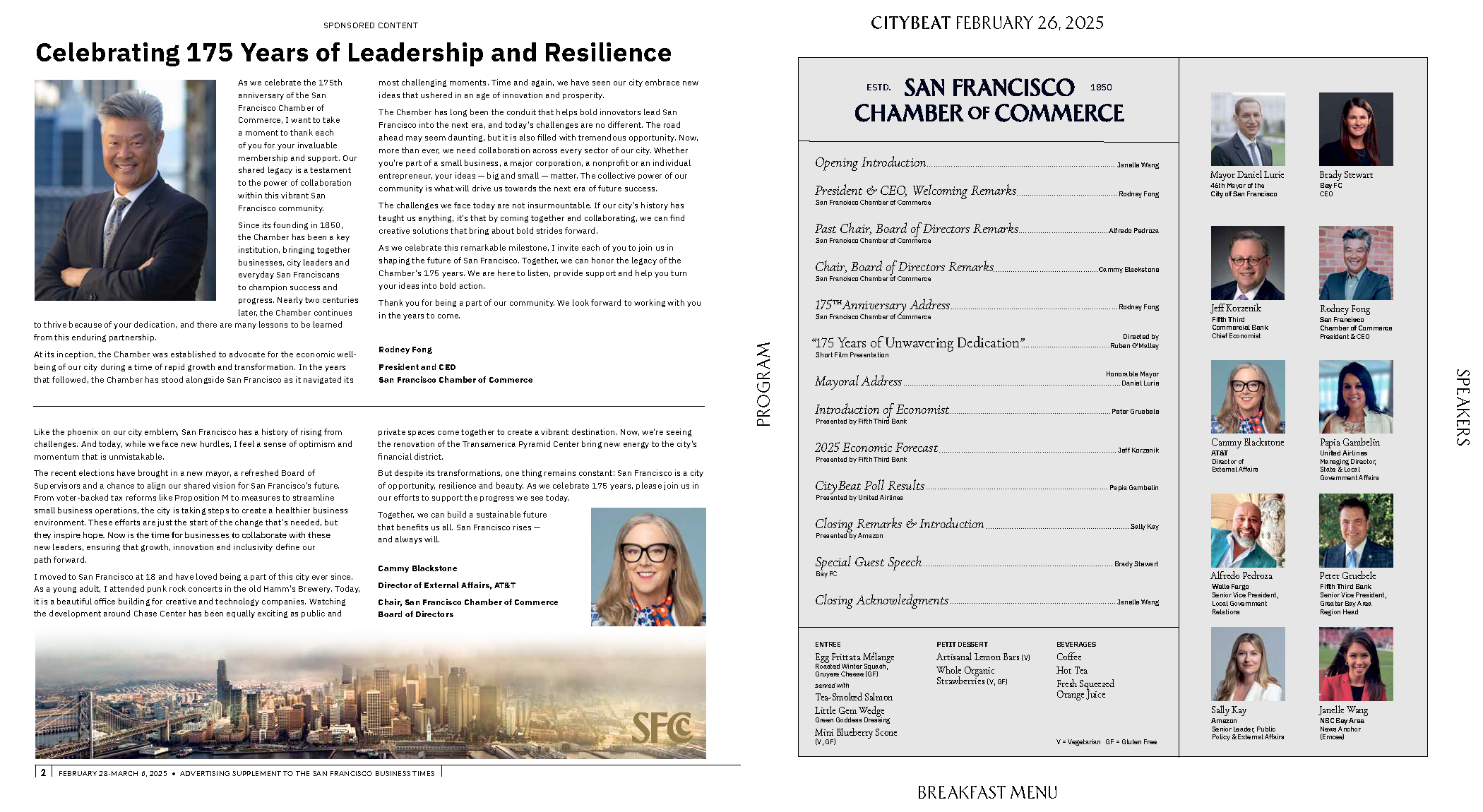
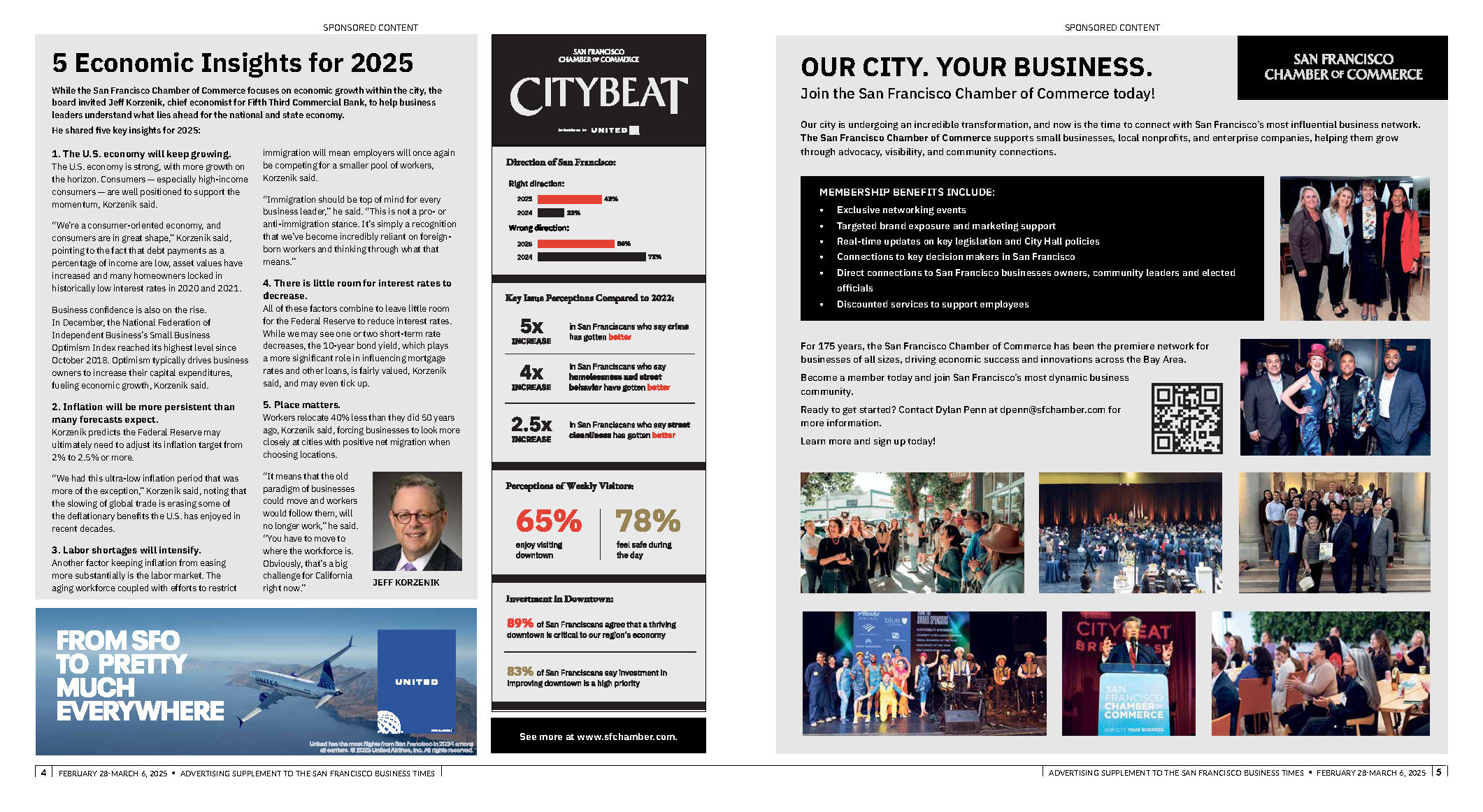
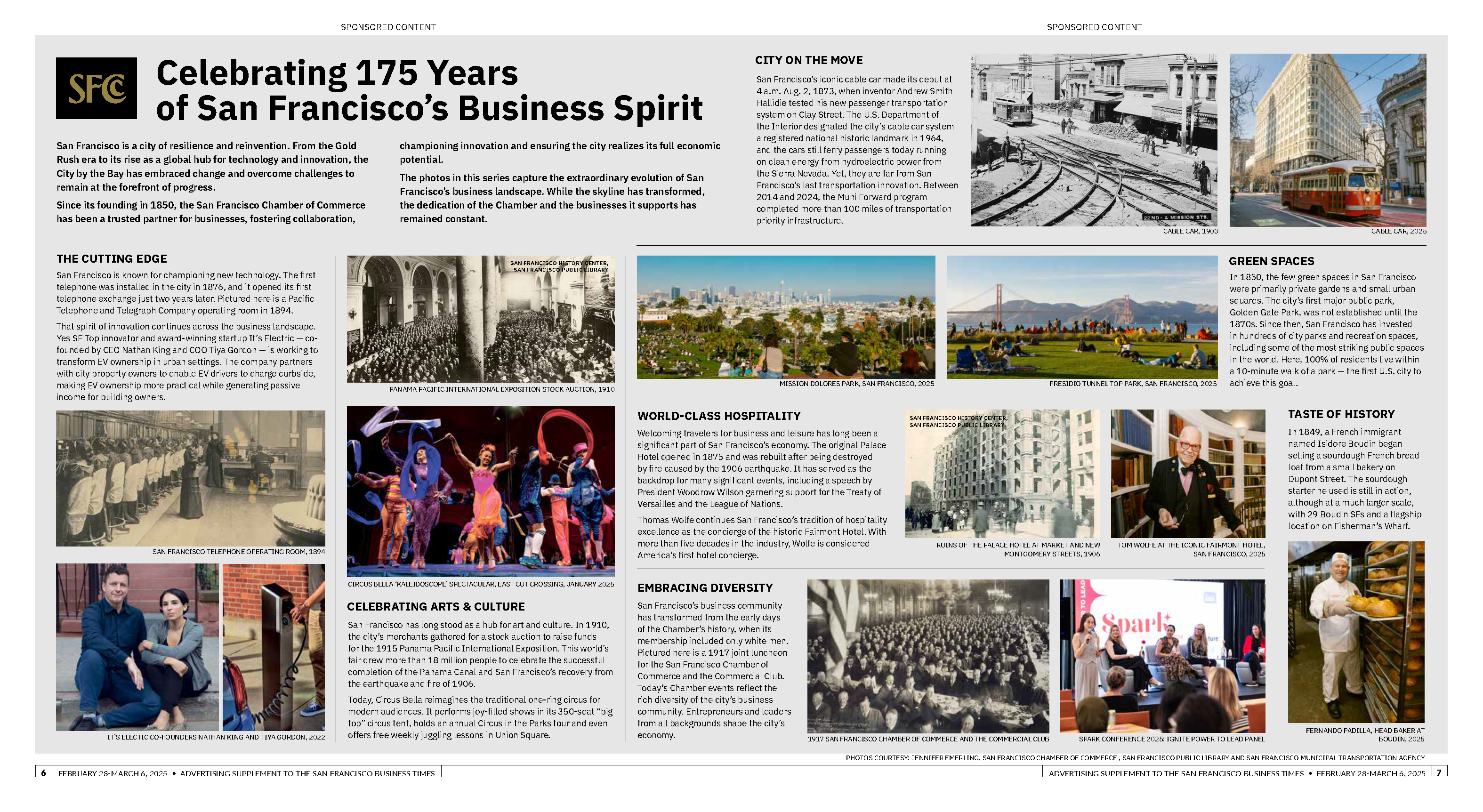
View Full Event Coverage

View Event Photos












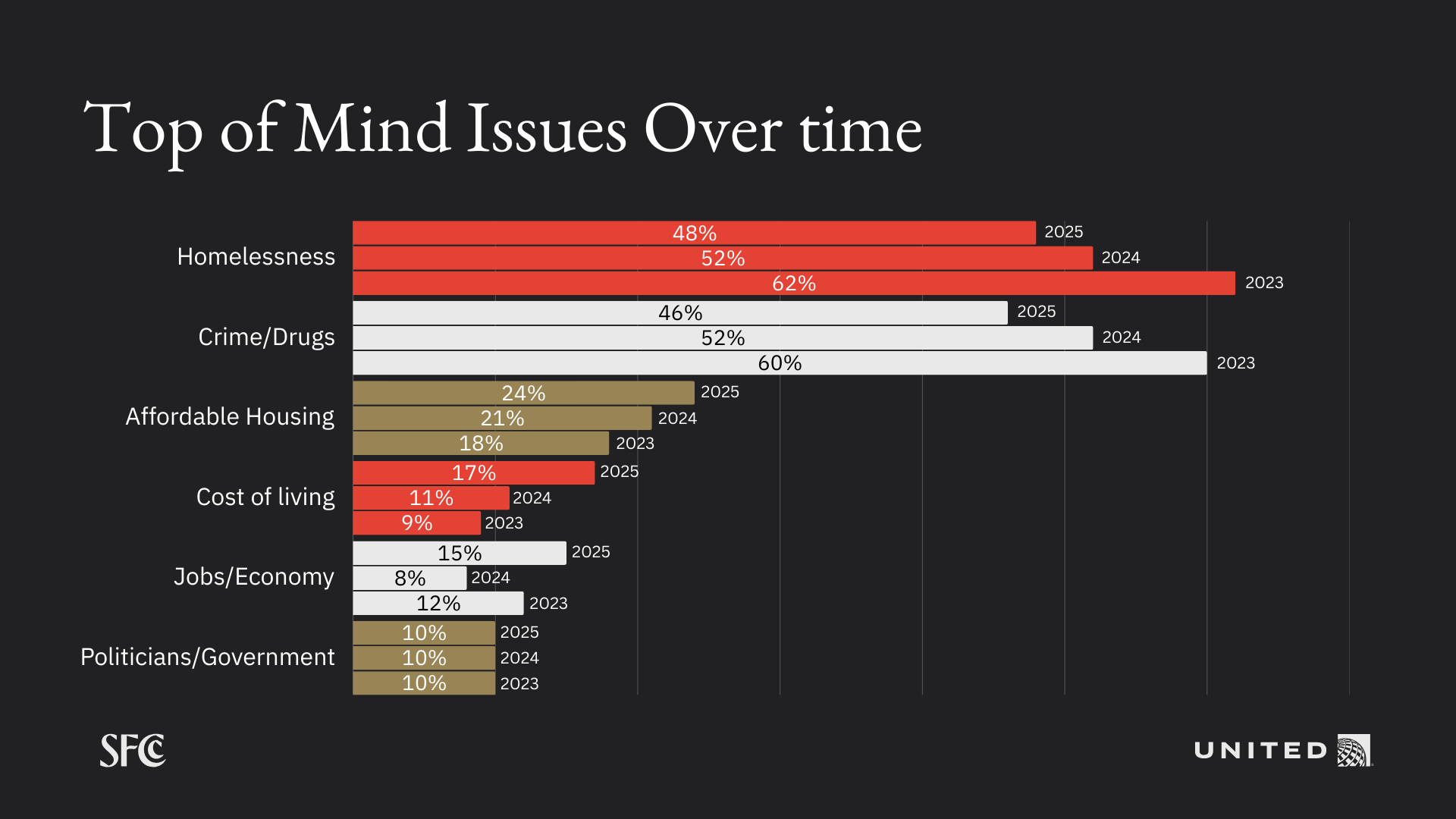
View Poll Results presented by United Airlines









PARTNER SPOTLIGHT: Fifth Third Bank

What Powers My City’s Economic Engine?
Understanding Embedded Local Growth Characteristics
Just like with a car engine, when an economy is running with all cylinders fully powered, it can run faster and with greater output. But clog one cylinder, and you’re going to need more fuel to achieve the same effect. As part of the Fifth Third Bank and UNC Kenan Institute’s Empowering American Cities project, we’ve developed a measure to reflect the elements that drive an extended metropolitan area’s (EMA’s) economic growth: Embedded Local Growth Characteristics or “ELGC” for short. It’s a composite indicator that includes an EMA’s productivity, industry mix and demographic shifts.
What ELGCs affect my city’s growth?
Industry Mix and Productivity
Industry mix is the variety and distribution of industries within an EMA, categorized by sectors, such as Finance and Real Estate, Manufacturing, Business Services, and Education and Health. Productivity measures output per worker.
EMAs with strong growth have a high degree of diversity in the industry mix, and a prevalence of high-productivity industries with a large amount of output per worker relative to other industries. For example, the Finance and Real Estate sector is currently the most productive in the US, making up just 6% of the workforce while generating over 20% of gross domestic product. EMAs with a large share of jobs in high-productivity sectors tend to have strong ELGC and high growth potential. The reverse is also true: Those EMAs with a large share of jobs in relatively low-output sectors, such as Leisure and Hospitality, have lower growth potential.
Diversification supports economic resiliency, as communities not overreliant on a single industry are better equipped for stability and growth.
Demographic Trends
For an economy to grow, it needs an active and growing workforce. A healthy-size “prime working age” population (ages 25-54) and overall EMA population growth (including birth rates outpacing death rates and migration into the area) are favorable trends. Positive demographic trends strengthen the ELGC and the engine for economic growth.
Workforce Skill Level
An EMA’s workforce is its economy’s lifeblood. But quantity of available workers is not enough; they must also have the skills and training that match industry needs. Using education level as a proxy for skill level, EMAs with a high share of educated workers tend to have strong growth potential. That said, education level is not a perfect measure of skill level—many valuable skills are learned on the job or through vocational training—but there is a positive association between educational attainment and productivity.
How does my city improve its ELGC?
- Anticipate Changing Industry Trends: Identify new technological advances so that businesses remain flexible and meet market demands. For example, the shift in the automotive sector from internal combustion to hybrid and electric engines is a contemporary example of an industrywide trend with accompanying challenges and opportunities for businesses.
- Diversify Industry Makeup: Prevent overreliance on one industry by upgrading, augmenting and advancing existing Attract new plants and firms from industries currently underrepresented in their area.
- Invest in Community Development Projects: Attract and retain a skilled workforce by providing amenities that appeal to prime working age individuals, such as cultural institutions (e.g., theaters and museums), dining and retail establishments, affordable housing, green spaces and transportation.
- Support Public-Private Partnerships: Train and upskill workers to meet the workforce needs of local These partnerships often support trade development programs that establish talent pipelines from local community colleges and other educational institutions to businesses in need of skilled workers.
Consider learning from top ELGC performers
While no two metro areas are exactly alike, it is possible to find EMAs with similar dynamics and a wide range of best practices for optimizing economic engines. To learn more about Embedded Local Growth Characteristics and to compare your area’s industry mix and productivity to the leading EMAs, visit https://www.EmpoweringAmericanCities.com
To connect with Fifth Third Bank’s team in Greater San Francisco, contact Peter.Gruebele@53.com.
The opinions expressed herein are those of Fifth Third and the Kenan Institute collaboratively. This information is current as of August 28, 2024, and is subject to change at any time based on market and other conditions. This information is intended for educational purposes only and does not constitute the rendering of investment advice or research, or specific recommendations on investment activities and trading.
© 2024 Fifth Third Bank, National Association. Member FDIC
IN THE NEWS
- SF Chamber’s CityBeat Poll finds residents more upbeat about city as more needs to be done – San Francisco Business Times
- City’s top business leader champions soccer stadium at 5th and Market – SF Examiner
- Poll shows San Franciscans see progress on key issues – KRON4
- San Franciscans increasingly feel city is going in right direction, poll shows NBC Bay Area
- More San Franciscans believe the city is on the right track than last year, poll says – CBS Bay Area
- Chamber of Commerce poll shows more SF residents approve of city’s direction – KPIX/CBS
- Understanding why San Francisco residents gave city vote of confidence in CityBeat poll – NBC Bay Area
- SF Mayor Daniel Lurie orders city workers to come back to office 4 days a week: ‘A new era’ – ABC7
- Mayor Daniel Lurie Urges business to invest in SF – SF Chronicle
- Poll: San Franciscans are more optimistic that the city’s on the right track – SF Standard
- New SF Chamber Poll Finds 43% of residents now believe city is heading in right direction – California Globe
- More San Franciscans Believe the City is on the right track than last year – Patch

View Event Program